
Casino-Spiele encompass a diverse array of gambling activities, from classic table games like roulette and blackjack to modern video slots and poker. These games blend elements of chance, strategy, and entertainment, creating an engaging experience for players worldwide. Understanding the rules and odds is essential for anyone looking to participate responsibly in this regulated form of entertainment.
What Makes a Game Stand Out in German Gaming Halls
In German gaming halls, a game stands out primarily through its structural fairness and transparent payout ratios, as regulated by the strict Spielverordnung (Gaming Ordinance). Unlike home computers or consoles where narrative or graphics dominate, arcade machines here succeed by offering a clear, consistent chance of winning. Physical components like tactile buttons, robust cabinets, and crisp, non-distracting lighting are crucial for player endurance. The most popular titles feature simple, math-based rules that allow for quick, repetitive play cycles.
Q: Is skill or luck more important in these venues?
A: Luck is paramount. German gaming halls are governed by the principle of Zufallsprinzip (principle of chance), meaning all outcomes are randomized and skill cannot influence the result.
Classic Slot Machines vs. Modern Video Slots: Key Visual and Audio Differences
What really makes a game pop in German gaming halls is the perfect balance of skill-based action and fast-paced, satisfying wins that don’t drag on. Patrons love machines offering a clear “path to the payout,” where you feel in control rather than just pressing a button aimlessly. High-quality build and tactile feedback from joysticks, buttons, or wheels are non-negotiable—players notice flimsy gear immediately. The best titles also tap into local tastes: think subtle sci-fi or medieval themes without over-the-top glitz. Finally, a fair return-to-player rate and transparent rules build trust, which is huge in Germany’s regulated market. Nobody wants to feel cheated or lost.
Why Progressive Jackpots Draw Both Casual and High-Stakes Players
In German gaming halls, a game stands out through its fusion of high-stakes tension and accessible, repeatable mechanics. The core differentiator is multi-layer player engagement, where visual spectacle and tactile feedback create an immersive loop. Top performers offer rapid, clear reward cycles—whether through blinking lights or instant ticket payouts—paired with a palpable “near-miss” thrill. Key hallmarks for success include:
- Intuitive controls that cater to both veterans and casual players
- Short play sessions (under 90 seconds) to maximize turnover
- Auditory and light-based feedback that signals wins loudly, drawing crowd attention
A standout machine also integrates a progressive jackpot that builds communal excitement across the floor. This combination of sensory overload and quick, tangible outcomes keeps players returning, making the game a hall’s reliable revenue driver. The finest titles master this balance without sacrificing fairness or speed.
The Rise of Skill-Based Bonus Rounds in Digital Formats
In German gaming halls, the games that truly stand out blend fast-paced mechanics with a tangible sense of reward. Players gravitate toward titles that offer clear, frequent wins and interactive bonus rounds, as these create a more engaging experience than simple one-button spins. A top-tier German gaming classic often features thematic sound design and visuals that match local tastes, from medieval castles to modern neon cities. The machines themselves also play a role, as responsive touchscreens and comfortable seating encourage longer play. Ultimately, the standout game is one that feels fair—where the balance between risk and payout keeps the excitement alive without feeling predictable.
How Table Classics Remain Timeless in a Digital Shift
The clatter of ceramic mugs, the low hum of conversation—these are the sounds that defiance makes. In an era of fleeting digital trends, the humble farmhouse table remains an anchor, its wood worn smooth by elbows rather than swipes. I once watched my grandfather pull a heavy oak chair, its joints groaning, to check a weather app. He chuckled, then turned the phone face-down, trading pixels for the pour of fresh coffee.
True connection isn’t an algorithm; it’s the weight of a warm plate passed between hands.
This is why the table endures: where a screen divides attention, the shared bowl of a meal draws it back, proving that some rituals are too sturdy to be broken by any revolution. The classic table isn’t a relic—it’s the quiet, unshakeable counterbeat to the digital noise. Timeless design is a trusted rhythm we keep returning to.
Roulette Variants: European, American, and the French La Partage Edge
In an era dominated by digital interfaces, table classics endure because they satisfy a primal need for tactile, unmediated connection. Timeless dining experiences leverage physicality—the weight of flatware, the texture of linen, the soft clink of glassware—which no screen can replicate. This sensory grounding offers a deliberate counterbalance to digital fatigue, making shared meals feel more intimate and memorable. Why this matters for hospitality:
- Durable, well-crafted tableware signals quality and permanence.
- Unplugged conversations at a set table foster deeper human bonds.
- Classic place settings eliminate friction, letting food and company shine.
Restaurants and hosts who anchor their identity in these physical hallmarks create a sanctuary that algorithms cannot touch, ensuring their relevance through any technological shift.
Blackjack Strategy Counts: From Basic Charts to Card Counting Myths
The enduring appeal of table classics—heirloom dining sets, cast iron cookware, and fine porcelain—lies in their ability to ground us in an increasingly intangible world. In an era dominated by fleeting digital trends, these tangible heirlooms offer a sensory anchor, transforming meals into rituals of connection rather than mere data consumption. Traditional tableware enhances dining experiences through tactile permanence, creating a calming counterbalance to screen fatigue.
- Material Integrity: Solid wood and ceramic age gracefully, gaining character that digital interfaces lack.
- Ritual Importance: Unplugged, shared meals around a sturdy table foster deeper human interaction.
- Investment Value: Unlike software, a quality pitcher or carving set retains both function and beauty for generations.
Q&A: Q: Can a simple table setting compete with immersive digital entertainment? A: Yes—by providing a physical, shared focal point, it encourages presence, conversation, and mindfulness, which digital consumption often disrupts.
Baccarat’s Appeal to Low-Risk and High-Rolling Audiences Alike
In an era of fleeting digital trends, the enduring appeal of table classics—from mahogany dining tables to handcrafted writing desks—lies in their material integrity and functional permanence. Heirloom-quality furniture design resists planned obsolescence by prioritizing solid wood joinery, ergonomic proportions, and timeless silhouettes that adapt seamlessly to modern interiors. Unlike algorithm-driven decor that cycles yearly, these pieces anchor a room physically and emotionally, offering a tactile counterpoint to screen-based living. Their value compounds through generations, with patina and repair stories adding character that no digital replica can capture. As remote work and hybrid socializing blur boundaries, a sturdy oak conference table or a vintage claw-foot desk provides a stable stage for both Zoom calls and handwritten letters—a quiet declaration that some experiences demand physical presence over pixels. Investing in craftsmanship that outlasts any app update ensures your space remains relevant, grounded, and uniquely yours.
Live Dealer Experiences That Recreate the Floor Atmosphere
Live dealer games have totally changed how we enjoy online casinos, bringing the energy of a real floor right to your screen. The key to nailing that vibe is the high-definition video streams, where professional croupiers handle real cards and spin actual roulette wheels in a dedicated studio. You get behind-the-scenes sounds like chips shuffling and soft chatter, which makes it feel less like staring at a computer and more like leaning on a felt table. It’s almost spooky how the dealer can even crack a joke at your lucky streak. What truly pushes it over the top is the immersive real-time interaction, where you can chat with the dealer or other players, and they react to your bets as they happen. This setup nails the authentic casino floor atmosphere without you having to leave your couch, blending convenience with that genuine thrill you miss from a physical venue.
Real-Time Streaming Technology and Its Impact on Engagement
Live dealer games bridge the gap between online convenience and the authentic buzz of a physical casino, offering an immersive real-time table game interaction. You get HD streams of professional croupiers dealing cards or spinning the wheel, while chat features let you banter with the dealer and other players, just like at a felt table. The setup feels legit—you hear chips shuffling, see the dealer’s reactions, and even choose your camera angle. It’s not just about winning; it’s about that rush of betting alongside real people, minus the smoke and loud slots. For that floor atmosphere from your couch, live dealer is the closest you’ll get without leaving home.
How Chat Functions and Multiple Camera Angles Build Trust
As the dealer shuffles real cards under studio lights, the soft clatter of chips and the distant murmur of other tables stream through your speakers, erasing the line between your living room and a Monte Carlo floor. Immersive live dealer platforms excel at replicating this energy through multi-camera angles, capturing every side bet and dealer gesture without a single digital shortcut. The tactile sounds—cards sliding across felt, the roulette wheel’s distinctive click—become your auditory anchor, while chat functions let you banter with strangers just as you would shoulder-to-shoulder at a rail.
- Professional croupiers trained in banter and timing maintain the real-casino rhythm.
- Ambient microphones pick up background shuffle and player reactions, not just the dealer’s voice.
- High-definition streams eliminate lag, so the “place your bets” moment feels live, not buffered.
Q&A: Can you really hear other players?
Yes—most studios design tables with open social audio, so you catch the occasional cheer or groan from other seats, just like on a real floor.
Popular Live Games Beyond Blackjack and Roulette
High-definition streams and professional presenters now bring the electric buzz of a land-based casino directly into your living room. The live dealer game immersion is elevated by real-time interactions, where dealers chat, acknowledge wins, and shuffle cards just like on the floor. You’ll hear the crisp riffle of chips, the clatter of the roulette wheel, and the authentic ambient hum of a studio designed to mimic a VIP pit. Multiple camera angles let you zoom in on the shoe or table felt, erasing any doubt of digital interference. Every bet and card reveal feels immediate, turning a solo session into a shared, pulse-quickening spectacle.
Regional Favorites You Won’t Find in Every Market
Across the United States, distinct regional snack preferences create surprising gaps in national availability. In the Midwest, unique regional snack brands like Garden Salsa Sun Chips or Mushroom & Swiss Burger Lay’s often appear exclusively in local gas stations and supermarkets. The South celebrates Boiled Peanuts, a soft, salty legume rarely found fresh in Northern markets. New Englanders crave Moxie, a bitter, herbal soda with a cult following that confuses outsiders. Meanwhile, the Southwest embraces Green Chile Spudnuts (mashed-potato-based donuts with Hatch chiles) and Bubble Gum Flavored Milk from local dairies in the Rocky Mountain region. These foods reflect local agriculture, immigrant influences, and distribution limits—a reminder that even in a globalized era, hyper-local tastes still define a place.
Q: Why aren’t these snacks sold everywhere?
A: Limited production runs, small-batch manufacturing, and distribution contracts with regional retailers keep them localized. Consumer demand also varies sharply; for example, Southerners embrace sweet tea, but most Western chains see little market for pre-sweetened iced tea powders.
Why Poker Games Like Texas Hold’em Dominate German Tables
Beyond the globalized aisles of chain supermarkets, a world of regional food specialties thrives, offering tastes you simply cannot find in every market. In the Pacific Northwest, foraged huckleberries appear in syrups and jams, their tart, wild flavor a stark contrast to domestic blueberries. Down South, you might stumble upon boiled peanuts—legumes slow-cooked in salty brine until creamy, a roadside staple that shocks first-timers. Your local corner store likely has no idea what you’re missing. The Southwest offers prickly pear cactus paddles (nopales), often sold fresh or jarred with a tangy, green-bean-like crunch. And in Hawaii, the ubiquitous Spam musubi—a portable block of grilled Spam on rice, wrapped in seaweed—remains a cultural icon absent from most mainland deli counters. These hidden gems challenge our definition of everyday groceries.
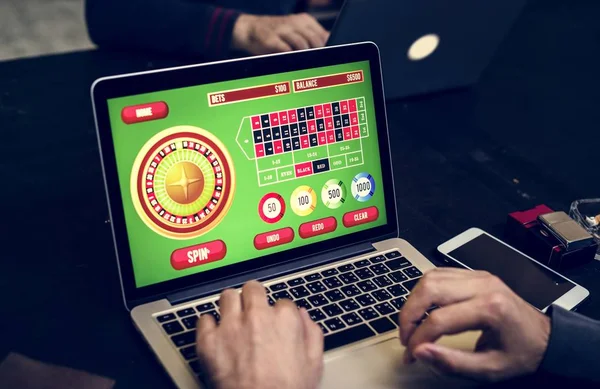
The Niche Popularity of Sic Bo and Craps in European Venues
Regional food products often remain confined to their local markets due to production scale, cultural tradition, or ingredient availability. For instance, New England’s fluffernutter—a sandwich pairing marshmallow creme and peanut butter—is almost unheard of outside the northeastern U.S., while the spicy, fermented surströmming of Sweden is an acquired taste rarely exported widely. Other examples include:

- BeaverTail: A Canadian fried dough pastry shaped like a beaver’s tail, typically topped with cinnamon sugar or chocolate.
- Lahmacun: A Turkish flatbread topped with minced meat, herbs, and vegetables, distinct from pizza and scarce in many Western stores.
- Natillas: A Spanish custard dessert, similar to crème anglaise, seldom found in general supermarkets outside Spain.
Virtual Horse Racing and Keno as Quick-Game Alternatives
Regional food favorites often remain locked in their local markets, offering a true taste of place that mass-produced goods cannot replicate. In the American South, you will rarely find sorghum syrup outside of specialty stores; this dark, molasses-like sweetener is a staple for biscuits and cornbread. Along the Gulf Coast, boiled peanuts—pungent, salty, and soft—are a roadside obsession unknown to most Northern supermarkets. Meanwhile, the Pacific Northwest claims its own exclusive treasure: marionberries, a blackberry hybrid grown almost exclusively in Oregon, prized for its complex, winey flavor in jams and pies.
- Sorghum syrup (South) – a traditional natural sweetener.
- Boiled peanuts (Southeast) – a brine-cooked, savory snack.
- Marionberries (Pacific Northwest) – a rare, tart berry for preserves.
Q&A: Can I find these regional favorites online? Yes, many specialty retailers ship sorghum syrup and marionberry products, though fresh boiled peanuts are best experienced locally.
Mobile Play and the Shift Toward Touchscreen Interaction
The way we play has literally been reshaped by the touchscreen. Mobile boomerang casino slots play isn’t just about convenience; it’s about a fundamental shift in how we interact with games. Instead of complex button combos, we now swipe, tap, and pinch our way through entire worlds. This tactile, direct feedback loop feels incredibly intuitive, making games accessible to everyone from toddlers to grandparents. The democratization of gaming we see today owes a huge debt to this simple interface. By removing the barrier of a physical controller, touchscreens blurred the line between gamer and casual user. For developers, this means prioritizing thumb-friendly layouts and gesture-based controls, all optimized for the device in your pocket. It’s a playground that’s always with you, and mobile gaming engagement continues to surge as a direct result of this natural, hands-on approach.
Optimized Interfaces That Prioritize Thumb Navigation and Speed
The way we play on the go has completely changed, thanks to the rise of touchscreens. Gone are the days when mobile gaming meant fumbling with tiny physical buttons. Now, with a simple swipe, tap, or pinch, you control everything directly on the screen, making games feel more immersive and intuitive. This shift has opened the door for incredibly popular genres like match-3 puzzles, endless runners, and battle royales that simply wouldn’t work the same way with a keypad. Casual mobile gaming has exploded because touch controls lower the barrier to entry—anyone can pick up a phone and start playing within seconds. For developers, this means designing for touch-friendly gestures is now a top priority, turning every screen into a potential gaming console.

How Free Demo Modes Influence Loyalty and Skill Building
The first time a toddler swiped a magazine, expecting the page to move, the world shifted. Mobile play has redefined our relationship with technology, turning every screen into a portal of instinctive touch. Touchscreen interaction has become the primary gateway for digital engagement, replacing the click with a natural, haptic gesture. This evolution has made gaming and creativity accessible to all ages, from children painting with their fingers to seniors navigating photo albums. The very physics of play changed: no longer about precision clicks or keyboard commands, but about the intimate, immediate connection between skin and glass. A simple tap for a jump, a pinch to zoom into a distant world—these movements feel less like commanding a machine and more like shaping a reality. This intuitive model has unlocked unprecedented user adoption, making the mobile device an extension of our own hands.
Push Notifications and Their Role in Player Retention
The rise of mobile play has fundamentally transformed digital interaction, moving users away from physical keyboards and mice toward intuitive, tactile engagement with screens. This shift, driven by the ubiquity of smartphones and tablets, prioritizes direct manipulation where touch, swipe, and tap replace point-and-click mechanics. Mobile touchscreen technology has redefined user experience design by emphasizing gesture-based controls and visual feedback. The transition is evident across sectors:
- Gaming now relies on virtual joysticks and tap sequences rather than buttons.
- E-commerce leverages swipe gestures for browsing product carousels.
- Education apps use drag-and-drop to teach complex concepts.
The success of mobile platforms hinges entirely on the seamless integration of touch as the primary input method.
This evolution has lowered barriers to entry, allowing broader demographic engagement, though it also challenges developers to optimize for smaller, multi-touch surfaces without physical resistance.
Rules and House Edge: What Every Player Should Understand
Picture a gambler sliding chips across the felt, convinced their lucky streak will hold. This player hasn’t grasped the fundamental truth that every casino relies on: the house edge. This mathematical advantage, built into every game from blackjack’s subtle odds to roulette’s green zero, ensures that over millions of spins and hands, the casino always wins. Understanding rules and house edge is not about defeating the system, but respecting its design. The player who learns the specific rules of a game—like when to split eights or fold a weak hand in poker—can shave fractions off the house’s take. But the edge never vanishes. It whispers in the dealer’s shuffle and the click of the dice. Savvy players know they’re paying for entertainment, not playing for profit, and they walk away when the story of the night is still theirs to tell.
How Return-to-Player Percentages Differ Across Game Types
Understanding the rules of any casino game is the first step to playing smart, but grasping the house edge in gambling is what separates informed players from casual bettors. The house edge is the mathematical percentage the casino retains over time, ensuring its long-term profitability. For example, European roulette has a 2.7% house edge, meaning you lose an average of $2.70 per $100 wagered. This built-in advantage is non-negotiable and applies to every betting decision you make. To minimize its impact:
- Focus on games with a lower house edge, like blackjack or baccarat.
- Always learn the specific rules of the variation you’re playing.
- Never chase losses; the edge works against you over extended sessions.
This knowledge empowers you to choose games wisely and manage your bankroll with realistic expectations, keeping your play disciplined and enjoyable.
The Mathematics Behind Volatility and Hit Frequency
Understanding the mathematical advantage in casino games is the foundation of smart play. Every game is designed with a built-in house edge, a statistical percentage ensuring the casino profits over time. This edge varies dramatically between games. For example, blackjack with perfect strategy can have a house edge below 0.5%, while keno can exceed 25%. Players cannot beat this edge in the long run, but they can minimize losses by choosing favorable games and rules.
- Always check game rules for variations, as some drastically increase the house edge.
- Avoid side bets; they typically carry a much higher house advantage.
- Manage your bankroll to withstand short-term variance, which is normal.
Respect the house edge: it is not what you win or lose in a night, but the math that governs every wager over time.
By focusing on low-edge options and disciplined play, you turn gambling from a gamble into a calculated entertainment expense.
Common Misconceptions About Streaks and Hot Machines
Every player stepping onto a casino floor must grasp the underlying math that guarantees the house always wins over time. The house edge is the built-in statistical advantage that ensures the casino profits from every game, whether it’s the slight 0.5% on blackjack or the steeper 5.26% on American roulette. Understanding this concept transforms a gambler from a hopeful dreamer into a calculated strategist. Know the house edge before you play. Smart players focus on games with the lowest edge and learn basic strategy to reduce it further, turning luck into a manageable risk.
Responsible Wagering Strategies Without Overcomplicating Fun
Setting a strict budget before you start playing is the cornerstone of responsible wagering. Treat it like the cost of a night out or a movie ticket—money you’re already okay with losing. Once that cash is spent, walk away without chasing losses. It keeps the vibe light and the fun alive. Setting clear time limits is just as crucial; using a timer prevents a casual spin from turning into a hours-long session. Focus on the game’s entertainment value rather than the payout. **Prioritizing player enjoyment** over profit ensures you never turn a pastime into a stressor. If it stops being fun, take a break. Simple, right?
Q: What if I win a decent amount early?
A: Smart move. Pocket at least half of the winnings immediately. Play for fun with the rest, or just call it a night while you’re ahead—that’s a total win.
Setting Time and Budget Limits Before You Start Spinning
Responsible wagering strategies prioritize enjoyment by setting clear boundaries that prevent financial strain. Adopting time and spending limits ensures gambling remains a leisure activity rather than a source of stress. A practical approach involves pre-deciding how much money and time you can afford to lose before you start, then stopping once those thresholds are reached. Avoid chasing losses, as this often leads to overspending and undermines the fun. Simple tactics include:
- Using cash or a dedicated prepaid card to control spending.
- Taking regular breaks to assess whether you are still having fun.
- Never wagering money needed for essential expenses.
These steps keep the experience light and controlled, ensuring the focus stays on the game itself, not the outcome.
Recognizing Signs of Problem Play Early in the Session
Setting a budget before you play is the cornerstone of responsible wagering, yet it needn’t dull the thrill. Imagine treating your entertainment funds like concert tickets or a night out—once they’re spent, the show’s over. Maintaining healthy gambling habits keeps the experience light and fun. A simple list can keep you grounded:
- Decide a loss limit before you start.
- Set a time limit and stick to it.
- Never chase losses; treat each session as a separate event.
Knowing when to walk away is the truest victory of all. These small guardrails ensure the excitement stays in the game, not the stakes, preserving the joy of the play itself.
Tools and Features Built into Platforms to Support Self-Control
Liam learned the hard way that chasing losses only stole the joy from his Saturday bets. He now adopts a mindful spending approach by setting a strict entertainment budget before the first kickoff. For him, that £50 is the cost of a night out, not an investment. He never bets on more than two games, sticking to his rule: if the fun fades, he walks away. By separating the thrill of the game from the hope of a win, Liam keeps the experience light. He celebrates small victories with a pint, not by doubling down. Remember, the moment a wager feels like work, you’ve already lost the fun part.
Legutóbbi hozzászólások